At Lakeside Medical Care, we recognize that addiction is not a moral failing — it’s a chronic health condition. For many people struggling with opioid use disorder (OUD) or other substance-use challenges, Medication-Assisted Treatment (MAT) offers more than just relief. It provides hope, stability, and, quite literally, a second chance at life.
What Is MAT?
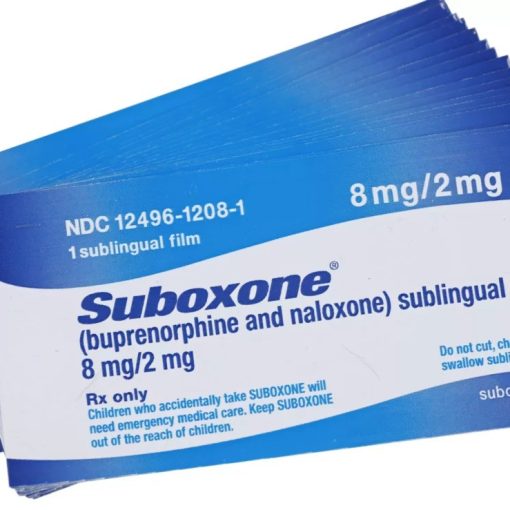
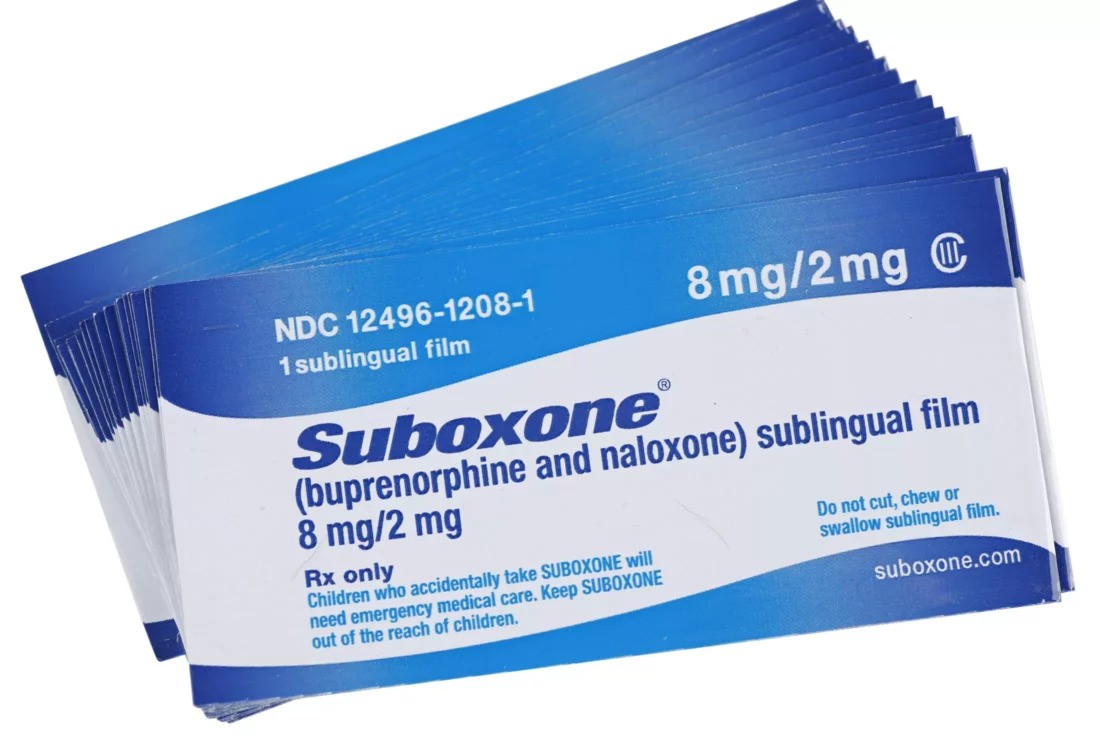
Medication-Assisted Treatment (MAT) combines FDA-approved medications (like methadone, buprenorphine, and naltrexone) with counseling and behavioral therapies. Rather than focusing only on abstinence, MAT treats addiction as a complex, chronic medical disease. Pew Charitable Trusts+2naabt.org
According to state health guidelines, MAT helps “normalize brain chemistry, block the euphoric effects of opioids, and relieve physical cravings,” without subjecting patients to the harmful effects of illicit substances. Illinois Department of Public Health
MAT Saves Lives
One of the most powerful reasons MAT is a lifeline is its impact on survival. Research consistently shows that MAT significantly reduces the risk of fatal overdose: individuals on methadone or buprenorphine are about 50% less likely to die from overdose than those who don’t receive treatment.
These medications also help stabilize daily functioning, making it possible for someone in recovery to rebuild their life — without the constant, overwhelming cravings or the unpredictable highs and lows.
Better Retention + Better Outcomes
Recovery isn’t just about stopping use; it’s about staying in treatment and building a sustainable life. MAT is strongly linked to higher retention rates in treatment programs compared to non-medication approaches.
With longer engagement, patients have more opportunity to benefit from therapy and psychosocial support, which can improve coping skills, relationships, and overall stability.
Public Health Benefits
Beyond individual recovery, MAT has important public health implications:
- Reduces transmission of infectious diseases. By reducing injection drug use, MAT lowers risks for HIV and hepatitis C.
- Reduces crime and social harms. When cravings are managed, individuals are less likely to engage in criminal behavior or risky practices.
- Cost-effective. The economic benefit of MAT is significant — for every dollar invested, there is a substantial return in savings from lower criminal justice costs, fewer hospitalizations, and improved productivity. GovFacts
Addressing the Stigma
One of the biggest barriers to MAT is stigma. Some mistakenly view MAT as “just substituting one drug for another.” This misconception overlooks how MAT actually restores balance to the brain and reduces harm; it doesn’t create the highs and dangers associated with addiction.
Many medical organizations now favor the term MOUD (Medications for Opioid Use Disorder), which emphasizes that these medications are a legitimate, evidence-based medical treatment, not a crutch.
Why MAT Is Especially Important Now
- Overdose crisis. The risk of overdose — especially with potent synthetic opioids — remains very high. MAT offers a proven defense.
- Gaps in access. Despite its effectiveness, not all treatment programs offer MAT. At Lakeside Medical Care, we are committed to making this treatment accessible and with dignity.
- Chronic nature of addiction. Just as with diseases like diabetes or hypertension, relapse is part of the disease cycle. MAT helps manage the biological basis of addiction so that recovery isn’t derailed by every setback.
Real People, Real Stories
While statistics matter, what resonates most are the lives saved: people who once felt trapped by unrelenting cravings, regret, or shame — now holding a steady job, mending relationships, and planning for the future. MAT doesn’t erase the struggle, but it gives many people the foundation they need to rebuild their lives.
Conclusion: A Lifeline You Deserve
At Lakeside Medical Care, we believe in a compassionate, science-based approach to addiction treatment. Medication-Assisted Treatment is more than medicine: it’s hope. It’s stability. It’s a proven pathway to recovery.
If you or someone you love is struggling with opioid use disorder, please reach out. Our team is here to guide, support, and walk alongside you on the journey to healing — because recovery is possible, and with MAT, it is sustainable.